The Importance of Making Calls Before Visiting the Shooting Range
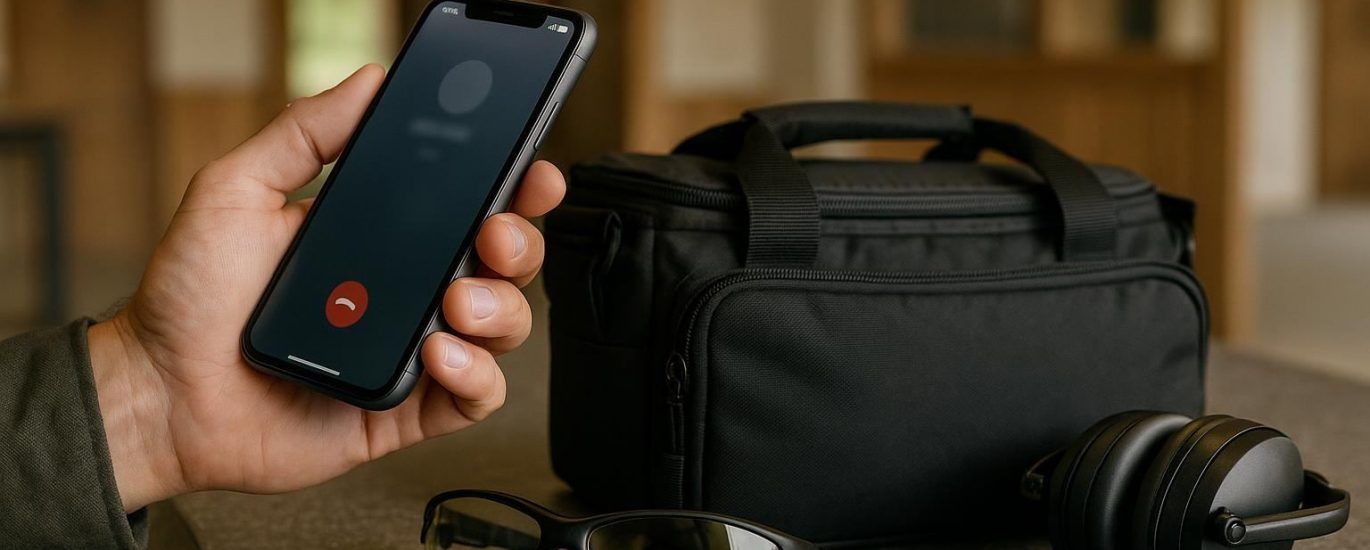
When you plan to go to the shooting range one important step that people often forget is to make a phone call to check the time. Even if you have your gun, your glasses and your earplugs you might still not know what to expect. Each shooting range has its rules. About what kind of bulletsre allowed how guests should act, how to use the lanes and how to train properly. Checking these rules before you go helps you avoid wasting time and also helps you know what to expect. That way you can focus on being safe and learning how to shoot.
Not Assuming Everything Is the Same: Learning How the Range Works
A mistake that people make is thinking all shooting ranges are the same. A new person might think that checking in choosing where to aim and using their bullets will be easy. Like the time they came. The truth is, some ranges need a safety talk before you start shooting have rules, about what kind of bullets you can use or even require you to be with someone who's already a member. Finding out about these rules when you arrive can make you feel like you're being treated unfairly or not ready.
A quick call or message can help you understand things like when the range is open what you need to bring, what kind of bullets are allowed what targets you can. How to pay. It's also an idea to ask about any tour that is offered to people who have never been before. Remember, what is written on the website might not always be correct so it's better to check for yourself.
Understanding the Laws and Club Rules: Staying Clear of Confusion
It's important to know the difference between laws and club rules. The law gives rules. Many ranges have rules that you have to follow. When you have questions about the law. Like how to carry a gun or keep it safe. It's best to check sources of just listening to what your friends say.
It's important to know what is allowed by the law what the range requires and what is responsible to do. If you are not sure about any of these it's better to wait until you understand before going. That way you won't have to guess when you get there.
Packing the Things for Your Visit to the Range
Your range bag might have some things. It might also have things that are not allowed at every place. Only bring what is needed for the range you are going to. A good check includes:
– Eye protection and ear protection for everyone at the shooting line.
– The gun and the bullets that the range says are okay.
– Targets and things to hold them in place and a notebook if the range does not give these.
– Papers like membership cards or ID.
– Something to write down directions and where you are supposed to be.
– Things like water and a small first aid kit kept away from the shooting area.
If you bring things that are not allowed you might have to leave them when you arrive. Also make sure your gun is safe and handled the way when you are taking it to the range.
Getting the Most Out of the Safety Talk at the Range
The first few minutes when you arrive at the range should be used to learn how to talk and act safely. A good safety talk includes:
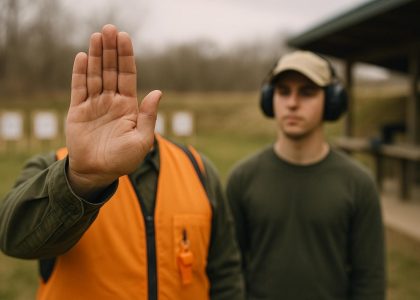
– The words used to tell people to stop shooting and how they are said.
– What to do during a break in shooting, including where to point the gun during that time.
– How to show that the gun is empty and who is allowed to move toward the targets.
It's important to pay attention to details during this talk. Things you might not notice otherwise. For example who is in charge of saying the range is safe or not? What signs mean that all guns should be safe? Understanding this can help everyone do the thing.
When you are not sure keep your gun pointed safely stop using it and ask the person in charge for help. Following the rules is important to stay safe when you're at the range.
Choosing the Right Training to Improve Your Skills
Getting help from a teacher can be very useful. So can practicing with someone watching. This can help you learn things like how to load and unload a gun how to control the trigger and where to point the gun. It can also help you learn the club's rules.
When you choose a class or a teacher be clear about what you want to learn. Look for someone who has a plan. Not someone showing off. Good training should have a plan of what you will practice what you need to bring how mistakes will be fixed and what you should do after.
Start with a class that has distractions. Someone who follows the instructions and uses steps well will be ready for things later.
Making the Range a Friendly Place to Be
The way a shooting club works shows in how it treats people who ask questions. A friendly place lets new people ask for help without feeling uncomfortable. It also encourages experienced people to give help without showing off. It makes sure that the rules are the same for everyone. No matter how experienced they have.
A good range keeps standards. Makes them easy to understand. Corrections should be seen as part of the process not something people do in front of others. Finding this balance makes the experience better for everyone. Especially when people, with backgrounds are together.
In the end think about what you saw: Were the rules clear? Did the talk cover the issues? Did the training match what you could do? These thoughts will help you decide where to go. Whether you need to learn or if you should try different places. The goal should not just be to feel comfortable but to find a place that has rules and a friendly way of treating people.