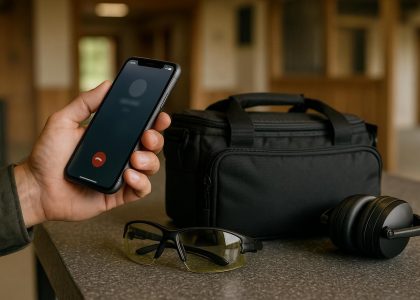
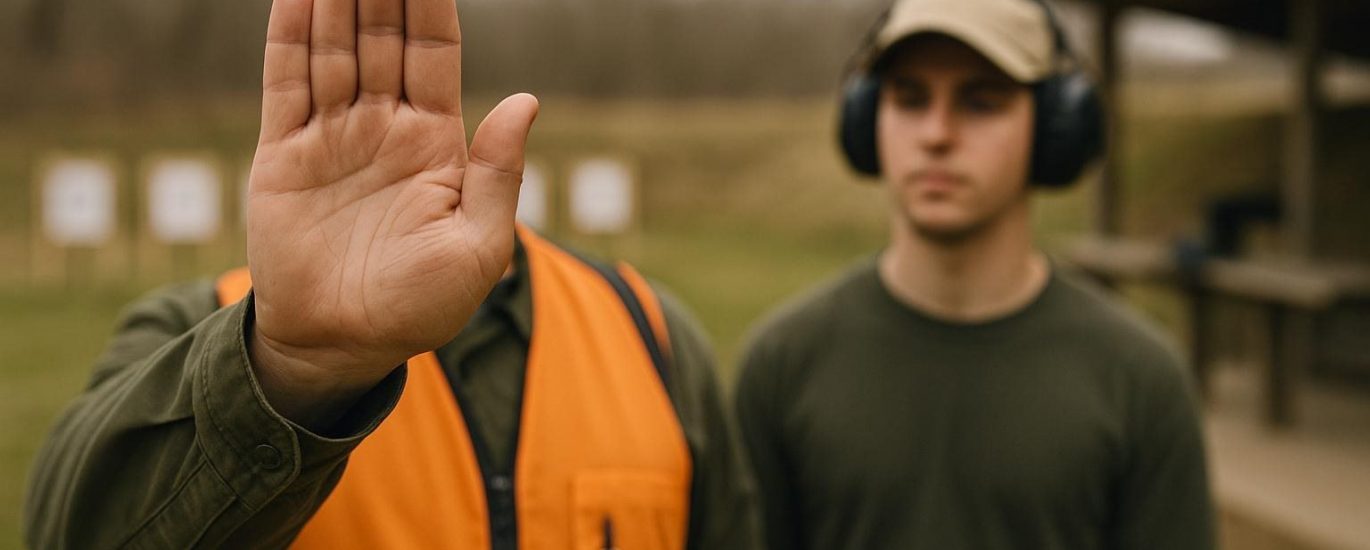
The most overlooked preparation detail is reading a club's range rules before arriving, not after unpacking. A first visit is easier when you know where to check in, what equipment is permitted, and how the firing line operates. Preparation also helps you judge whether a club offers patient instruction, clear safety procedures, and a respectful atmosphere.
Read the Rules Before You Choose a Range
Start with the club's current public information, application materials, or orientation instructions. Check operating hours, guest policies, membership requirements, permitted activities, eye and ear protection standards, and whether a range officer must be present. If a rule is unclear, ask before bringing equipment onto the property.
Do not treat a website, old social media post, or friend's advice as final authority. Rules may change because of insurance requirements, property conditions, board decisions, or changes in Wisconsin law. Ask which document governs daily use, then verify legal questions through current official Wisconsin guidance or another qualified source.
A useful first test is whether the club explains its expectations plainly. Vague answers about safety, guests, or supervision deserve caution.
Use Orientation to Learn the Operating Culture
A local club orientation should cover more than a tour. It should explain how members enter and leave the range, where firearms or other equipment may be handled, how a ceasefire is called, who controls the line, and what to do when someone needs help. Notice whether the instructor welcomes questions or rushes through them.
Good orientation makes ordinary behavior predictable. You should know when the line is active, when everyone must step back, where equipment may be placed, and how to report a damaged target stand, ammunition problem, or medical concern.
Before leaving, confirm:
– Who is authorized to supervise the firing line?
– What is the exact procedure for a ceasefire?
– Where are first-aid supplies and emergency contacts located?
– Which areas are restricted to members, guests, or staff?
– Who should receive questions after orientation?
A club does not need to be informal to be welcoming. Clear boundaries often make new participants more comfortable.
Watch for Behavior That Builds Trust
Welcoming culture appears in small interactions. Established members make room for questions, correct unsafe conduct without humiliation, and explain local habits instead of assuming everyone knows them. They do not pressure newcomers to handle equipment, shoot faster, enter a competition, or disclose military experience.
The veteran community can add valuable experience in discipline, maintenance, instruction, or peer support. Still, military background is not a substitute for range-specific orientation. Civilian clubs have their own procedures, equipment rules, insurance limits, and leadership structures. A respectful group allows different experiences to coexist without turning the firing line into a test of status.
If someone says, "I have not done this before," a sound response should make the next step clearer. Sarcasm, unsolicited handling of another person's equipment, or pressure to ignore a rule are warning signs, even when presented as tradition.
Treat Safety Procedures as Daily Practice
Safety is not a speech delivered once during membership intake. It is a sequence of habits repeated every visit. Follow the club's instructions for transporting and staging equipment, keep the muzzle pointed in a safe direction, keep your finger outside the trigger guard until ready to fire, and follow every command from the person controlling the line. If unsure, stop and ask.
Never assume that a familiar firearm, target setup, or range layout makes a procedure optional. Use the protection required by the club, stay behind the designated firing position, and avoid distractions while the line is active. Do not handle equipment during a ceasefire or cross a boundary unless the range officer has made the area safe and given permission.
Decline a session if fatigue, impaired judgment, illness, medication effects, or emotional distress could affect decision-making. There is no benefit to forcing practice when concentration is poor. Inform the appropriate club official if a situation creates a safety concern rather than managing it privately.
Choose Training That Matches the Real Need
Training should solve a specific problem. Someone returning after years away may need a supervised refresher; a person comfortable with basic handling may need coaching on consistency, sight alignment, movement between positions, or competition procedures. A prospective instructor needs different preparation from a casual participant.
Ask what a class includes, who teaches it, how much supervised practice is involved, and what preparation is expected. Be wary of broad promises or instruction that treats speed or intensity as proof of competence. Useful coaching makes safe actions more repeatable and gives you a way to practice without constant supervision.
A regular practice partner can help with scheduling, observation, and accountability, but both people need permission to pause a session and identify a problem. Feedback should be specific: what happened, what rule applies, and what safer adjustment is needed.
Verify Wisconsin Rules Before Acting on Advice
Range policy and state law are related but not identical. A club may impose stricter conditions than the legal minimum, and a rule at one property may not apply at another. Questions involving transport, storage, transfers, carry, youth participation, hunting, or prohibited locations should be checked against current official Wisconsin information rather than settled through conversation at the bench.
Requirements can change. Confirm the current rule before relying on an older handout, forum comment, or advice from a member who has not reviewed the matter recently. For a personal or legally consequential issue, consult a qualified attorney or the appropriate government agency.
Once the practical rules are clear, choose a manageable rhythm: attend orientation, complete supervised practice, return during a quieter period, and decide whether the club's standards and social tone suit you. Regular participation should support safe habits while leaving room for questions. That balance is where a range becomes part of a community rather than merely a place to shoot.